How Digital Signage Makes Multi-Family Residential Buildings Safer
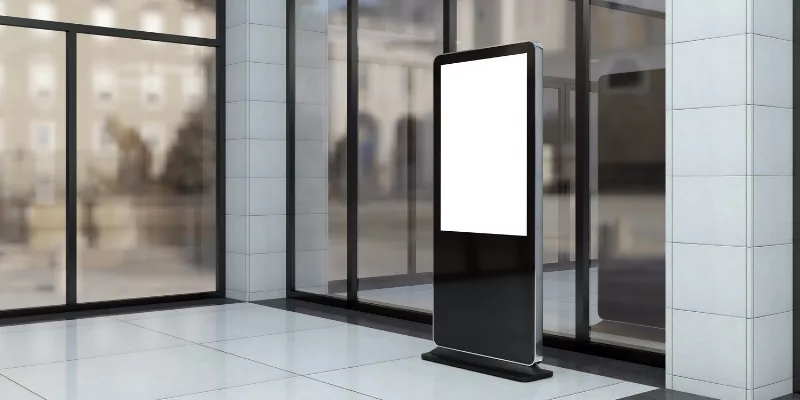

In multi-family residential buildings, risks compound due to density. Residents want to feel secure in shared spaces and confident in how information is communicated during emergencies. That’s why many property managers are turning to digital interactive signage as a smarter, more effective tool for building-wide communication.
From real-time alerts to preventive messaging, digital signage plays a critical role in enhancing safety across high-density residential environments. Here are our top seven reasons why.
When timing is important, clarity matters. Interactive digital signage allows building staff or management to instantly broadcast emergency messages across all common areas, such as lobbies, elevators, parking garages, and hallways.
Whether it’s a fire alarm, water shutoff, or security concern, messages appear on-screen in real time, without the need for printed notices or sole reliance on mass emails that go unread.
Discover how interactive digital signage can enhance visitor experience, improve wayfinding, and elevate your brand.
Clear navigation is essential in emergency situations. Touchscreens and digital information hubs (aka digital directories) can double as dynamic wayfinding tools, helping residents and visitors locate exits, stairwells, or muster points quickly. In large buildings, especially those with underground levels or multiple wings, this can reduce confusion and support faster evacuation.
Digital displays can be used to remind residents about:
By keeping this information visible, buildings foster a culture of awareness and preparedness.
Traditional paper signage often goes unnoticed or becomes outdated. Digital signage ensures that safety messaging is always current, visible, and centrally managed. Updates can be made in seconds through a centralized content management system without visiting every floor or entrance.
Digital signage near entryways or concierge desks can display real-time messaging about building access policies, delivery instructions, or visitor check-in procedures. These reminders reduce the risk of unauthorized entry and help educate guests about community expectations, especially in buildings without 24/7 front desk staff.
In buildings where security cameras are in use, digital signage can work in tandem with surveillance systems. For instance, lobby screens can display a message like “CCTV in Operation: For Your Safety,” reinforcing deterrence while promoting transparency.
In some cases, screens can also highlight security contact info or QR codes for residents to report suspicious activity directly, bridging the gap between monitoring and community awareness.
While most residents may know to call 911, many don’t know who to reach for urgent but non-emergency building issues. Digital signage in residential elevators, garages, and lobbies can display up-to-date emergency contact numbers for building managers, after-hours maintenance, or on-call security. Making this information visible at all times improves response rates and reduces frustration during critical moments.
Modern multi-family buildings are adopting digital signage not just as an integral part of their safety infrastructure. With real-time communication, enhanced wayfinding, and daily reinforcement of safety practices, digital signage supports safer, more responsive residential environments.
If you’re looking to upgrade your building’s communication tools, our team can help design a signage strategy tailored to your layout, systems, and resident needs. Contact youRhere today to get started.